National Preparedness Month: How to Create an Emergency Operations Plan for Home and Work
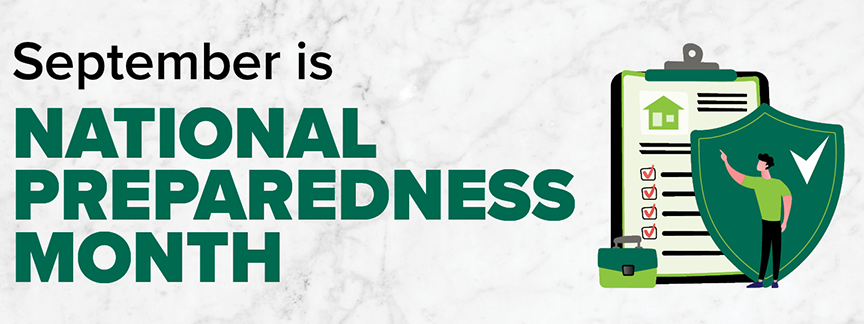
September is National Preparedness Month, a great time to ask an important question: If an emergency happened today, would you know what to do?
Emergencies can happen with little or no warning. Having an Emergency Operations Plan (EOP) in place helps individuals, families, and organizations know how to respond, communicate, and recover when an emergency occurs.
While emergency planning is often associated with the workplace, preparedness starts at home too.
What Is an Emergency Operations Plan?
An Emergency Operations Plan is a written plan that outlines how people will respond to emergencies. It identifies potential hazards, established responsibilities, provides communication procedures, and explains what to do before, during, and after an emergency.
For businesses, an EOP can help protect employees, visitors, facilities, and critical operations. At home, an emergency plan helps family members understand where to go, how to communicate, and what to do if they become separated.
How Can the North Dakota Safety Council Help with Emergency Preparedness?
Developing an effective Emergency Operations Plan can be a significant undertaking. The North Dakota Safety Council (NDSC) can help organizations take a proactive approach to emergency preparedness.
NDSC’s Emergency Operations Planning services follow a three-step approach:
STEP 1: ASSESS
NDSC can conduct risk assessments to help identify potential safety and security concerns. A thorough assessment includes a site walkthrough and a formal report with customized recommendations.
STEP 2: PLAN
NDSC offers Emergency Operations Plan writing services to help organizations develop a customized EOP based on best practices from organizations including OSHA, FEMA, and the Department of Homeland Security.
STEP 3: TRAIN
NDSC offers emergency preparedness courses designed to increase employee preparedness and help organizations build the knowledge and skills needed to respond to emergencies.
Learn more about NDSC Emergency Operations Planning services: https://www.ndsc.org/safety-services/emergency-operations-plans/
Make Preparedness a Priority This September
National Preparedness Month is a reminder that emergency planning shouldn’t begin after an emergency occurs.
Take time this month to assess your risks, develop or update your emergency plan, and train the people who will need to put that plan into action.
Preparedness today can help your home or workplace respond with greater confidence when an emergency happens.