Understanding OSHA’s Updated Heat Safety Emphasis Program
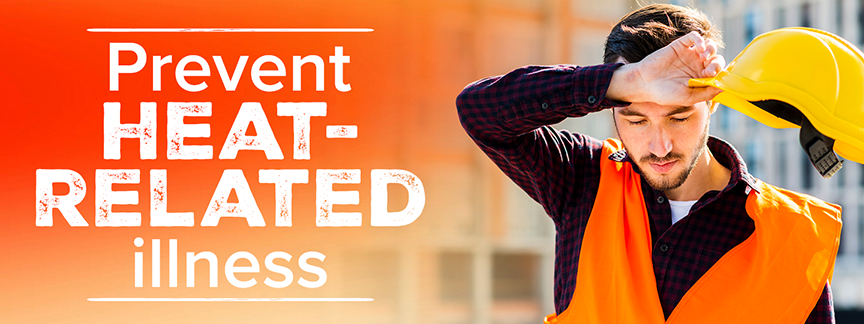
As temperatures begin to rise, so does the risk of heat-related illness in the workplace. The Occupational Safety and Health Administration (OSHA) has updated its National Emphasis Program (NEP) on heat-related hazards, reinforcing the importance of protecting workers both outdoors and indoors from dangerous heat exposure.
What is OSHA’s Heat National Emphasis Program?
OSHA’s NEP is a nationwide enforcement initiative aimed at reducing illnesses and fatalities caused by heat exposure. The previous NEP, published in 2022, expired April 8 after it was extended for a year in January 2025. The updated NEP, published on April 10, is set to expire in 2031 and includes expanded efforts to identify and address heat hazards across a wider range of industries including construction, agriculture, manufacturing, warehousing, and more.
Importantly, this program now places increased focus on indoor work environments, recognizing that heat risks aren’t limited to outdoor settings. Facilities without adequate ventilation or cooling, such as warehouses, kitchens, and factories, can post serious health risks to employees.
Why Heat Safety Matters
Heat-related illnesses can escalate quickly and may include:
· Heat exhaustion
· Heat stroke (a life-threatening emergency)
· Dehydration
· Dizziness and fatigue
Without proper prevention, these conditions can lead to serious injury or even death. OSHA estimates that thousands of workers become ill from heat exposure each year, many of these incidents are preventable.
Significant Changes of OSHA’s Update
· Increasing inspections in high-risk industries
· Conduct random inspections focused on heat hazards in high-risk industries
· Expanding education and outreach efforts for employers and workers
· Emphasizing the importance of heat illness prevention programs
What Employers Should Do
Employers play a critical role in protecting their workforce. OSHA recommends developing and implementing a Heat Safety Plan that includes:
· Water – cool drinking water for employees
· Rest – regular rest breaks
· Shade – shaded or air-conditioned areas
Training and Awareness:
Educate employees and supervisors to recognize the signs of heat-related illness and how to respond quickly.
Learn more about preventing heat illness: https://www.osha.gov/heat/employer-responsibility
Stay Ahead of the Heat
Heat hazards are predictable and preventable. By understanding OSHA’s updated National Emphasis Program and taking proactive steps, employers can create safer work environments and reduce the risk of heat-related illness.
Read the updated National Emphasis Program – Outdoor and Indoor Heat Related Hazards: https://www.osha.gov/sites/default/files/enforcement/directives/CPL_03-00-024_0.pdf